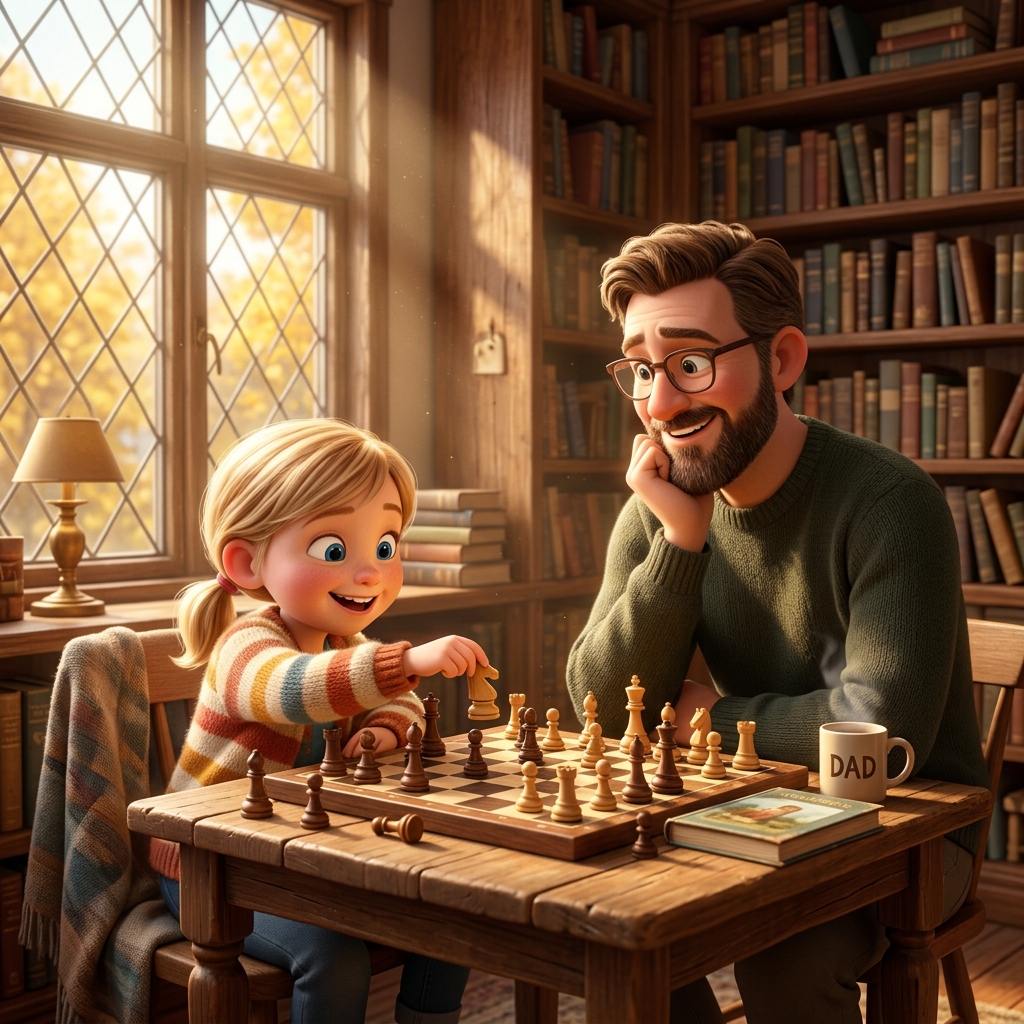
Behind every great grandmaster, there is a parent who knew how to play their cards right. Not with pressure, but with prepared paths and unconditional support.
Architect or Facilitator?
In the world of chess history, two models of parenting have defined what it means to raise a genius. Understanding which one fits your family is the first step to unlocking your child's potential.
The Polgár Model
László Polgár believed that "geniuses are made, not born." He created an immersive, chess-rich environment for his daughters, proving that dedicated training and a prepared home can lead to world-class mastery.
The Carlsen Model
Henrik Carlsen focused on being an "enabler." He identified Magnus's natural curiosity and facilitated his passion without over-pushing. This child-led approach focused on independence and joy.
How to Help Your Child Succeed
Helping your child doesn't mean you need to be a grandmaster yourself. It means being their **Strategic Partner**. Here are three key instructions to start:
-
1
Create a "Chess-Rich" Environment Leave the board set up in a common area. Make books and stories about chess part of their bedtime routine.
-
2
Praise the Process, Not the Win Chess is hard. Praise their focus during a difficult move or their patience, rather than just the final checkmate. This builds resilience.
-
3
Ask Questions, Don't Give Answers When they are stuck, ask: "What is Arturo the King thinking right now?" or "What would happen if the Bishop moved there?" Let them discover the magic.
Genius Path Advisory
We know you have a gifted child at home. Navigating the path of high-potential learning can be overwhelming. We offer personalized consulting for parents to help you design a learning journey that matches your child's unique genius.